
How local authorities can respond to devolution’s funding shift
Posted on 07 Oct 2026
While most funding programmes run by local authorities "were designed to award grants”, the new…
Posted on 05 Oct 2026
By Sabrina Bentgzen

At its simplest, place-based work brings people, organisations and resources together to address the unique needs of a specific place. It’s built upon the recognition that every place has its own context, assets, and insight, and that these are critical to tackling social and environmental challenges effectively.
Yet many funding streams, services and strategies are developed nationally or around individual issues, even though communities experience challenges very differently on the ground.
A place-based approach starts with two simple questions:
Rather than focusing on one organisation or one intervention, it looks at the wider ecosystem that includes groups like residents, community groups, councils, businesses, funders and public services.
Part of the answer lies in politics and policy.
Across England, devolution is shifting powers and resources closer to local areas. The idea is that decisions made closer to communities can be better tailored to local needs. Alongside this, initiatives such as Pride in Place reflect a wider policy focus on local identity, decision-making and investment.
There is also a growing interest in place-based philanthropy. The government’s Our place to give strategy argues that philanthropists, local authorities and civil society organisations can achieve more when they work together around a shared place, rather than through disconnected funding decisions. NPC produced a toolkit for MPs to support this plan.
One example of place-based work comes from Custom House in the London Borough of Newham, where residents faced uncertainty about the future of their homes, high street and wider community. Regeneration in nearby areas had replaced social housing and industrial land with luxury flats and hotels, raising fears that local people could be displaced or priced out.
In response, community organisation, PEACH, brought residents together to challenge decisions being made about their neighbourhood, develop an alternative regeneration plan, and push for genuinely affordable housing, secure homes and local businesses to be protected.
Another example comes from Grimsby, where Our Future worked with residents, organisations and local leaders to build a shared vision for the town. Over 1,100 people from across the town contributed their ideas for Grimsby’s future via online conversations, workshops, events, and public meetings. Together, they identified four priorities for action and who needed to be involved in delivering them.
Both examples started with local priorities and brought together residents, organisations and decision-makers to shape solutions collectively.
Collaboration is essential because no single organisation can transform a place on its own.
As challenging as it may be to align diaries, the greater challenge is creating the conditions where people with different priorities, responsibilities, and forms of power can actively work toward shared outcomes for their place.
It raises important questions for anyone hoping to work in this way. Who gets to define the shared outcomes for a place, and who is expected to adapt to them? How are tensions managed when local priorities do not align neatly with organisational strategies or funding requirements? And what would it take for collaboration to move beyond coordination and become a genuine sharing of power, risk and responsibility?
These questions sit at the heart of effective place-based working.
Place-based approaches are not a silver bullet. There is always a risk that ‘place’ becomes just another sector term that fails to catalyse meaningful change.
But the growing interest in place reflects something important:
Many of today’s challenges don’t fit neatly within organisational or cause-specific boundaries.
Addressing them requires stronger relationships, better collaboration and a deeper understanding of local context. In our efforts to achieve this, how do we make sure communities remain at the centre of that work?
These are the kinds of questions we will grapple with at Ignites 2026, where leaders from across the impact economy will come together to discuss how place-based approaches, systems thinking, and collaboration can drive lasting change. We’d love you to join the conversation.

This blog, written by Sabrina Bengtzen, Consultant at NPC, was originally published on 5 August 2026 on ThinkNPC.org. View original article
Posted on 07 Oct 2026
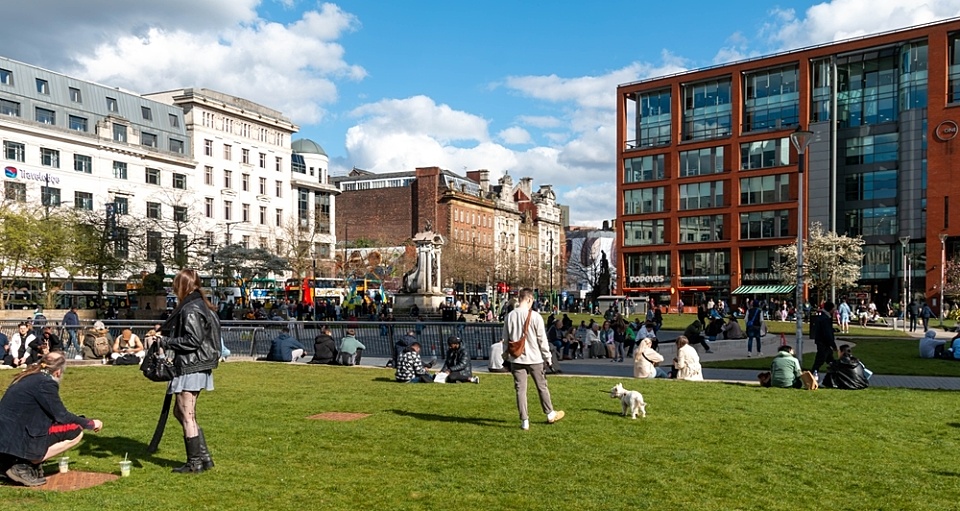
While most funding programmes run by local authorities "were designed to award grants”, the new…
Posted on 05 Oct 2026
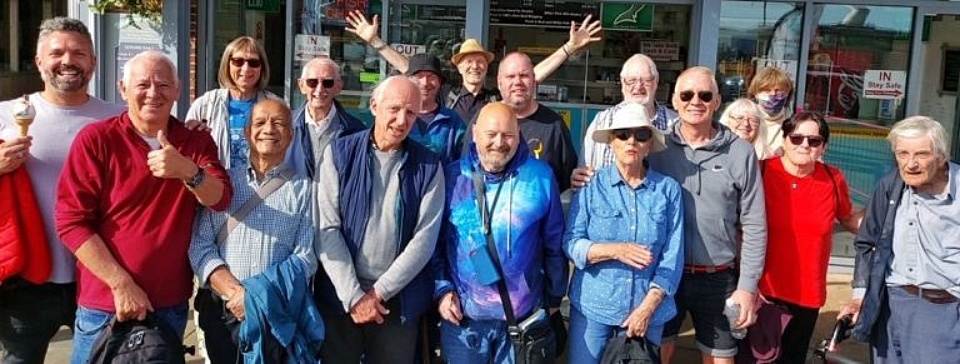
As the UK government rolls out a sweeping devolution agenda that promises to shift power and…
Posted on 26 Aug 2026
A small UK grantmaker believes new technology should not undermine the value it places on the human…

Posted on 25 Aug 2026
A decade of independent audit evidence reveals there’s a big gap between good grants policy and…

Posted on 24 Jun 2026
A just-published report tracking philanthropic and voluntary sector grantmaking in the UK shows…

Posted on 24 Jun 2026
The International Fund for Ireland, Stratford Town Trust and Glasgow City Council are among the…

Posted on 04 Jun 2026
SmartyGrants speakers highlighted opportunities to introduce consistency in areas such as…
Posted on 27 May 2026
I've spent a fair chunk of my career listening to what I've come to call "grants rage." On one…
Posted on 27 May 2026
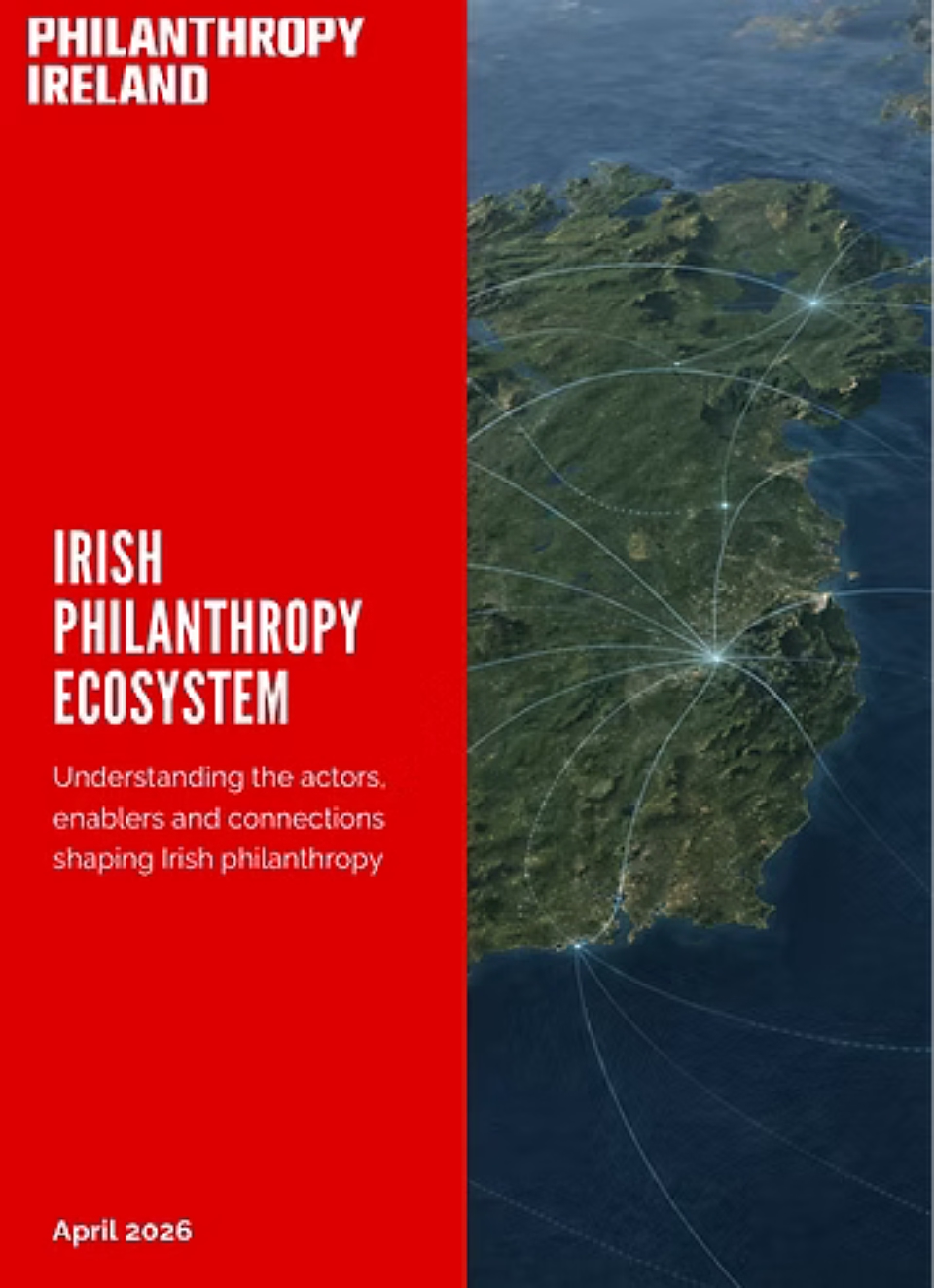
A new report from Philanthropy Ireland has mapped the structure of Ireland’s philanthropic sector,…
Posted on 13 Apr 2026
SmartyGrants is ensuring its artificial intelligence tools are fair and useful by focusing on how…

Posted on 02 Apr 2026
Grantmakers are under increasing pressure to demonstrate what their funding actually achieves –…