Tech upgrades won’t divert UK grantmaker’s focus on human connection
Posted on 26 Aug 2026
A small UK grantmaker believes new technology should not undermine the value it places on the human…
Posted on 26 Aug 2026
By Matthew Schulz, journalist, Institute of Grants Management
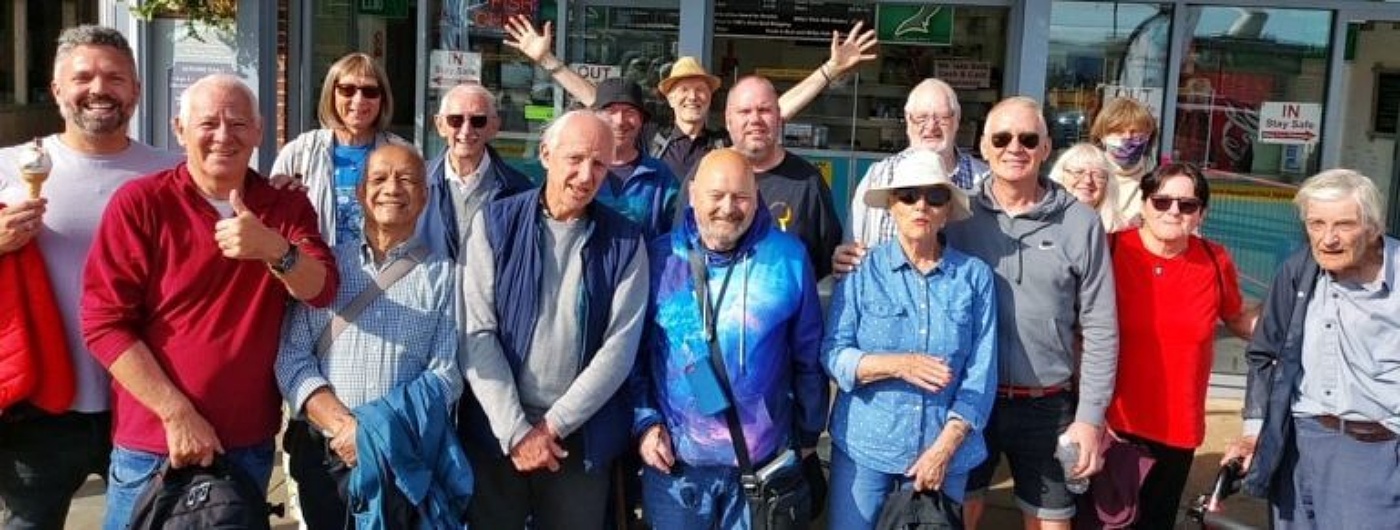
A small UK grantmaker believes new technology should not undermine the value it places on the human touch.
The Sir George Martin Trust – based in West Yorkshire – doesn’t even host an application form for funds on its website. While it uses the online SmartyGrants grants distribution system, it doesn’t immediately point potential applicants to online information but instead invites them to speak to manager Carla Marshall.
The Trust began using the SmartyGrants portal in June 2025, requiring all expressions of interest and full applications to be submitted online for the first time. The trustees say they made the change because they wanted to modernise internal systems, improve data capture, and automate reminders to grant holders about things like end-of-grant reports, rather than change the way applicants first get in touch. Marshall still fields initial enquiries herself by phone or email before directing anyone to the portal.
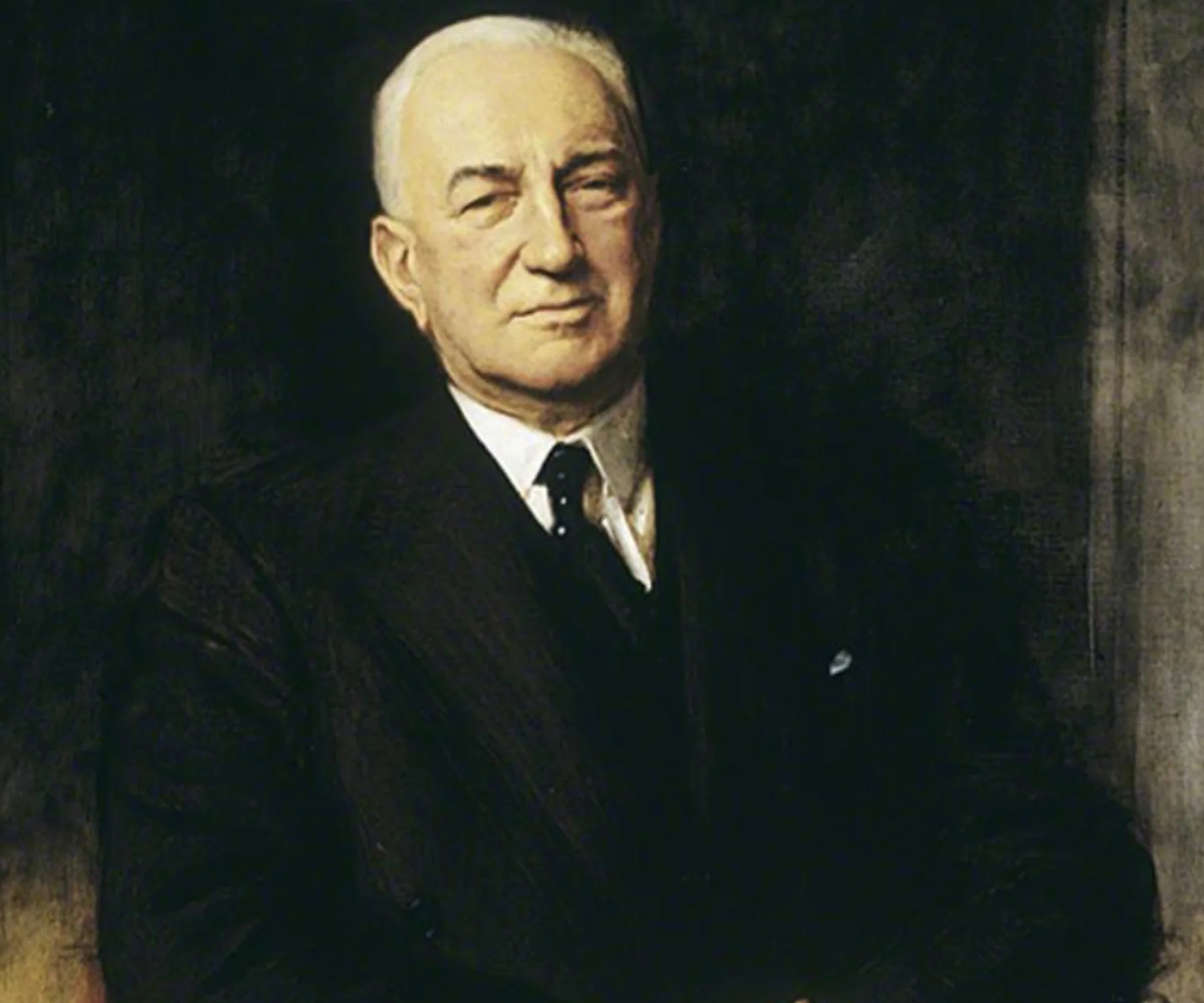
The Trust, established in 1956 – 20 years before Sir George’s death – gives around £350,000 a year in grants, to about 90 charities. Its focus is on small, local organisations supporting disadvantaged people, and it offers funds for running costs and some capital works. Its 2025–26 grants spanned youth welfare and education, mental health, social activities, older people and disability support. The funds go to charities working across Leeds, Bradford, Calderdale, Kirklees and Wakefield.
The trust also continues the legacy of Sir George, who built his business success in wholesaling before serving as the Lord Mayor of Leeds and the Sheriff of Yorkshire. He also held a string of other prominent roles in the judiciary, business, health, and community support organisations, such as the YMCA. He set up the trust with £30,000 in shares and a desire to support the cities where he had built his career.
matthews@ourcommunity.com.au
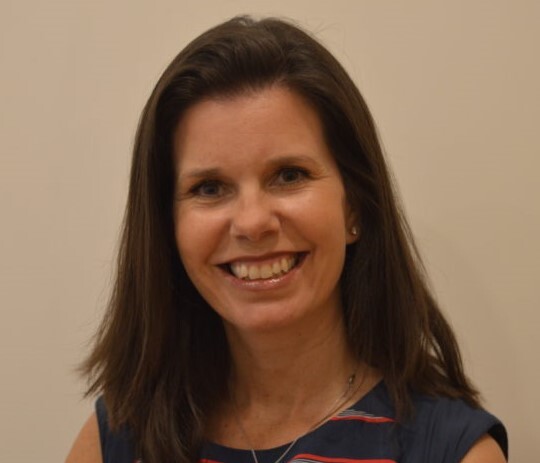
Carla Marshall – a family member continuing the trust’s mission – explains her personal approach.
"As the emails and calls come in, I am able to nicely say 'no' to people right away if they do not meet our criteria, or 'Yes, I think the trustees would consider an application from you; let's set up a time to talk,’" Marshall said.
That conversation acts as the front door to the Trust. Only once Marshall thinks an applicant has a strong chance does she send them the full form and offer to talk it through with them, drawing on what she has learned from visiting hundreds of frontline charities over more than a decade in the role.
"Once you start visiting charities as part of the application and assessment process, you can't see why anyone would do it any other way," Marshall said.
"You learn the real story, warts and all, of how things are going at the charity, so that your funding decisions are based on a deeper understanding of the organisation, which can't be provided by just an application form."
The approach has deep roots at the Trust. Carla Marshall's father-in-law, Peter Marshall, managed the Trust through the 1990s and 2000s and took the same relational approach, visiting charities and suggesting other funders that might help them. Marshall herself came to the sector after a career in public relations. In 2013, she joined without a formal grantmaking background, and trustees recommended she start by visiting charities to learn the ropes.
"The ongoing intelligence which I gain from meeting charities on the frontline is so beneficial for me, our trustees and our organisation," she said. "You can't beat seeing the charitable work in action or meeting the people behind the application form."
"You can't beat seeing the charitable work in action or meeting the people behind the application form."
The model sits within a wider push in UK philanthropy known as “open and trusting grantmaking”, championed by the Institute for Voluntary Action Research (IVAR), whose eight commitments the Trust has signed up to.
Friends Provident Foundation cited the same IVAR programme in March 2025 when it announced it was moving to unrestricted funding by default and replacing its written stage-one application with an informal "Say hello" introduction, after finding only 8 per cent of its 2024 applicants had made it through to stage two.
Marshall said a high success rate mattered because the alternative meant wasting time on applications that were never going to succeed.
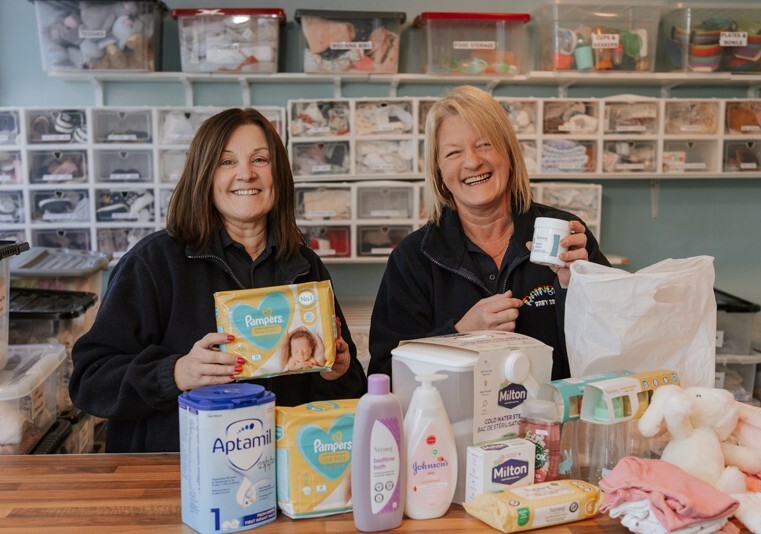
Screening enquiries by phone and email first also spreads Marshall's workload evenly across the year, avoiding a rush before an online deadline. "I have always preferred to take my time reading each application and ensure I give each one the time they deserve," she said.
She was candid about the trade-offs. "The main downside of being a relational, flexible funder is that it takes time," she said. "It can also be harder to say no to applicants once you have met them, and so it's really important to be open and honest with them and ensure they know that just because the Trust or grant manager has met them doesn't mean they will definitely get a grant."
The numbers demonstrate the success of the approach. In March 2024, the trustees tightened eligibility criteria to focus on smaller, local charities with under £1 million in income, and in the following year, enquiries fell by 30 per cent, from 261 to 182. Yet even with fewer enquiries, Marshall carried out 63 physical visits and 23 online meetings, and the Trust kept its success rate close to 50 per cent.
Grants typically run from £1,000 to £5,000; most are in the range of £3,000 to £4,000.
Recent recipients include:
Marshall expects more UK funders to move towards using digital systems alongside relational grantmaking rather than in place of it.
"As the world becomes increasingly digitised, we need to counteract this with more human interaction," she said. "A good grant management system can streamline and complement a relational grantmaking approach, and the two can go hand in hand."
More info at www.sirgeorgemartintrust.org.uk
Posted on 26 Aug 2026
A small UK grantmaker believes new technology should not undermine the value it places on the human…

Posted on 25 Aug 2026
A decade of independent audit evidence reveals there’s a big gap between good grants policy and…

Posted on 24 Jun 2026
A just-published report tracking philanthropic and voluntary sector grantmaking in the UK shows…

Posted on 24 Jun 2026
The International Fund for Ireland, Stratford Town Trust and Glasgow City Council are among the…

Posted on 04 Jun 2026
SmartyGrants speakers highlighted opportunities to introduce consistency in areas such as…
Posted on 27 May 2026
I've spent a fair chunk of my career listening to what I've come to call "grants rage." On one…
Posted on 27 May 2026
A new report from Philanthropy Ireland has mapped the structure of Ireland’s philanthropic sector,…
Posted on 13 Apr 2026
SmartyGrants is ensuring its artificial intelligence tools are fair and useful by focusing on how…

Posted on 02 Apr 2026
Grantmakers are under increasing pressure to demonstrate what their funding actually achieves –…

Posted on 01 Apr 2026
SmartyGrants is increasing its use of artificial intelligence (AI) and has outlined a strategy to…
Posted on 25 Mar 2026
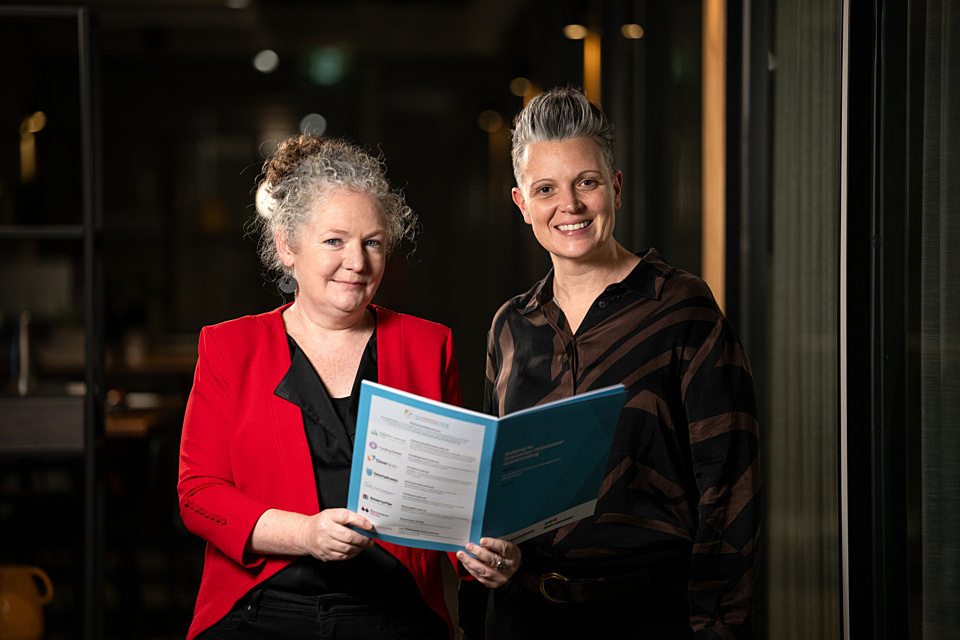
Co-authors Kathy Richardson and Jen Riley with the recent IGM whitepaper. Picture: Penny Stephens…