
Grantmaking in the AI age: keeping humans in the loop is harder than you think
Posted on 26 Oct 2026
A funder uses AI to help design a grant programme. An applicant uses AI to write an application. An…
Posted on 04 Nov 2026
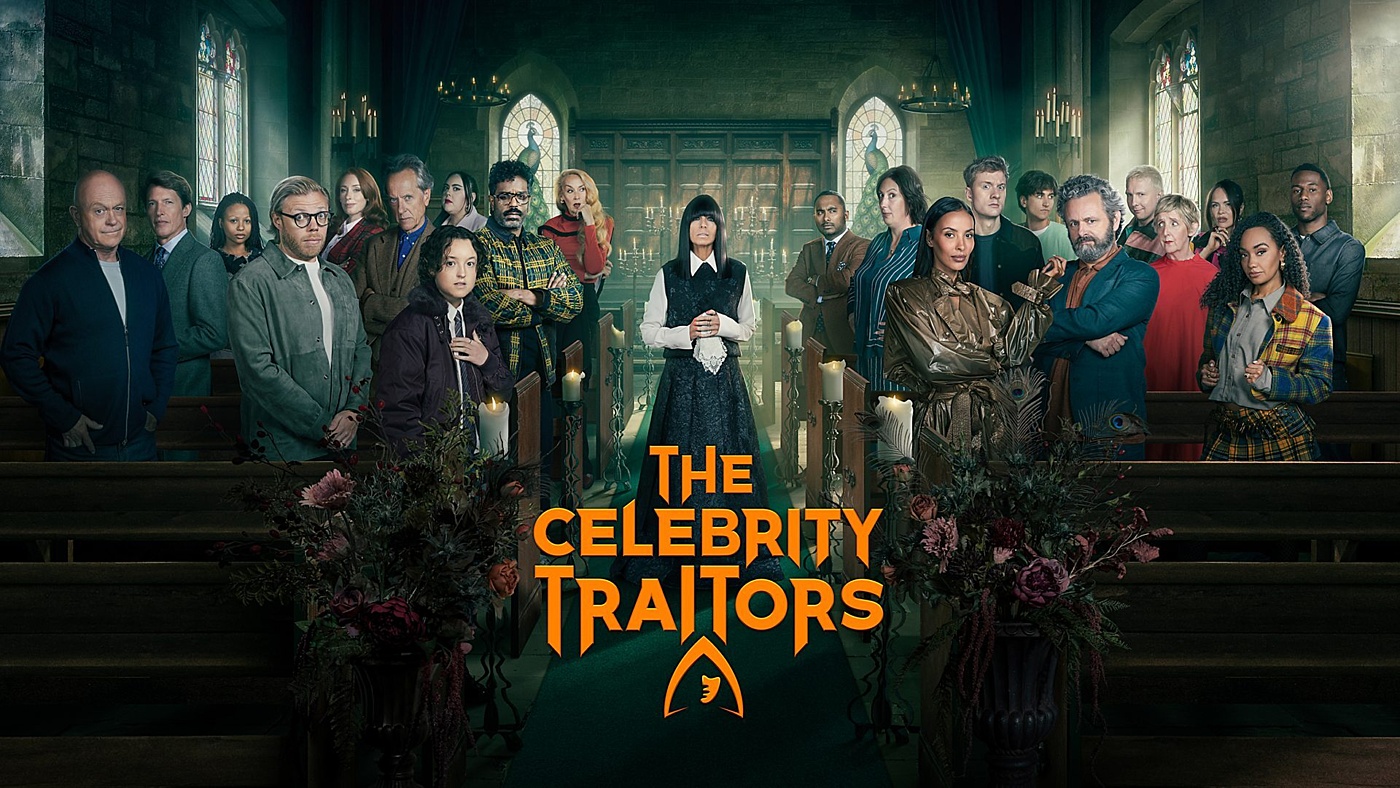
Millions of us have spent the autumn watching famous people lie to each other over breakfast, vote each other out at a round table and wander around a Scottish castle in capes. The prize on the table is up to £100,000 for the winner's chosen charity. It's brilliant television. It's also, if you squint, a very public experiment in how money reaches good causes.
So how does it compare with best-practice grantmaking? The honest answer is that it makes a good case study in how not to do it. It also contains a few ideas funders could borrow:
Engage and entertain. The show makes giving money to charity gripping. Funders could talk about their decisions in more human, story-driven ways. This doesn’t necessarily mean creating a spectacle, but it does mean creating engagement.
Show me the money. Telling people how much is available, and what it's for, is good practice.
Get celebrities on board. The star power of celebrities can give charities unparalleled publicity.
Do your due diligence. The Celebrity Traitors had strict verification procedures for all contestant-nominated charities.
When it comes to the serious business of distributing funds, The Celebrity Traitors also offers useful lessons in what not to do. Here are four principles that separate good grantmaking from reality TV.
In a show called The Traitors, the premise is clear: you can't trust anyone. Players do well to not even trust host Claudia with her breakfast riddles and sudden twists in the game. It's a good reminder of what characterises low-trust relationships: suspicion, performance, and spending lots of energy on looking credible. That is the opposite of best practice funding, which is based on trust, offers flexibility and fewer burdens on grantees.
Eliminated players leave quickly, often with only a few cryptic words of explanation, as when Jerry was told she was “too iconic”. In grantmaking, unsuccessful applicants deserve meaningful feedback that helps them improve. The process benefits funders, too, because it helps them to see where their processes are failing.
Choose Love and the Refugee Council were the lucky winners of the prize money offered by the latest series, but the charities are pretty far removed from the show. A charity wins the pot because its celebrity was a convincing Faithful or a cunning Traitor, not because of what it wants to do with the funds. In grantmaking, funders typically reward a charity’s evidence of need, the strength of its proposal, its alignment with the funder's priorities, and likely impact.
One year on from Alan Carr's win in the first series of The Celebrity Traitors, there has been no public announcement from Neuroblastoma UK about the impact of last year's £87,500 prize fund. At the time of Carr’s win, the organisation’s head of fundraising and communications, Emily Hood, said, "As a small charity £87,500 can make a huge difference to our work. We couldn’t be more grateful for his continued support of our charity." Grantmakers and grant recipients can and should do better. Closing the loop after the money has been spent, through reporting and learning, is where grant money turns into impact.
Nobody’s suggesting you should hire a Scottish castle from which to dispense your funds, but The Celebrity Traitors is a useful mirror for grantmakers. Fair, open, proportionate and trusting processes are what separate good grantmaking from a game of strategy and luck. If your process rewards the best performer rather than the best project, it might be time to review it.
Posted on 26 Oct 2026
A funder uses AI to help design a grant programme. An applicant uses AI to write an application. An…

Posted on 07 Oct 2026
While most funding programmes run by local authorities "were designed to award grants”, the new…

Posted on 05 Oct 2026
As the UK government rolls out a sweeping devolution agenda that promises to shift power and…

Posted on 05 Oct 2026
At its simplest, place-based work brings people, organisations and resources together to address…
Posted on 26 Aug 2026
A small UK grantmaker believes new technology should not undermine the value it places on the human…

Posted on 25 Aug 2026
A decade of independent audit evidence reveals there’s a big gap between good grants policy and…

Posted on 24 Jun 2026
A just-published report tracking philanthropic and voluntary sector grantmaking in the UK shows…

Posted on 24 Jun 2026
The International Fund for Ireland, Stratford Town Trust and Glasgow City Council are among the…

Posted on 04 Jun 2026
SmartyGrants speakers highlighted opportunities to introduce consistency in areas such as…

Posted on 27 May 2026
I've spent a fair chunk of my career listening to what I've come to call "grants rage." On one…
Posted on 27 May 2026
A new report from Philanthropy Ireland has mapped the structure of Ireland’s philanthropic sector,…